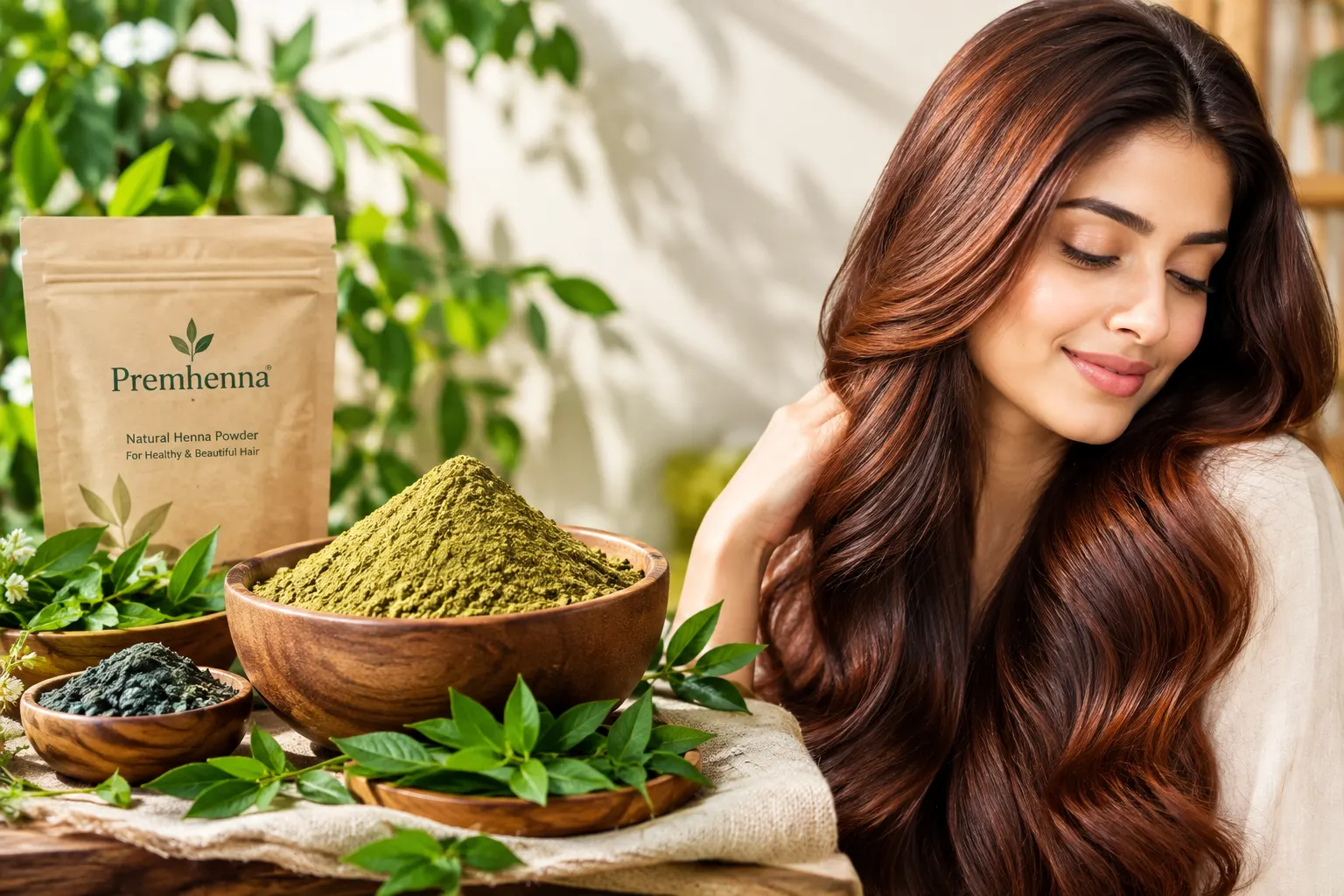
Henna is one of the oldest known herbal ingredients and has been used for centuries for beauty, personal care, and traditional purposes. Its scientific name is Lawsonia inermis, and the leaves of the henna plant are traditionally dried and ground into a fine powder. This natural powder has long been valued not only for its ability to color hair but also for its conditioning and hair-care properties.
Today, henna continues to be popular around the world, especially among people looking for more natural alternatives to conventional hair colors. Natural henna can give the hair beautiful warm shades while also becoming part of a nourishing hair-care routine. Indigo powder is another popular natural ingredient that is often used alongside henna to create different shades of brown and darker hair colors.
Coloring hair never really goes out of style. Whether you want to cover grey hair, refresh your natural shade, or simply experiment with a new look, there are numerous ways to color your strands. However, many conventional hair-coloring processes involve strong chemicals and may require bleaching, particularly when trying to achieve lighter shades.
This is where Natural Henna Color can be an appealing option. Henna has been used traditionally for generations, and its use today combines the heritage of herbal hair care with modern approaches to natural hair coloring.
Premhenna brings this traditional concept back in a sustainable and convenient way by offering natural henna and other herbal hair-coloring solutions. Henna is valued because it can provide color while also coating and conditioning the hair, making it more than just a coloring ingredient.
Nourishment of Hair Through Natural Henna Color
Whether you are interested in henna for hair conditioning, natural coloring, or both, its traditional hair-care benefits make it an interesting addition to your routine.
Applying henna to the hair can help give the strands a conditioned and fuller appearance. The natural plant compounds in henna bind to the hair shaft, which can leave the hair feeling smoother and looking shinier after application.
At the same time, henna provides a natural way to add color without relying on a bleaching process. Depending on your original hair color, the resulting shade can range from warm orange and copper tones to reddish-brown hues.
Let’s take a closer look at some of the commonly associated benefits of henna for hair.
Benefits of Henna for Hair
1. Deep Conditioning for Hair
One of the most popular reasons people use henna is for its conditioning effect. Hair can become dry, rough, or dull because of environmental exposure, frequent styling, heat, and chemical treatments.
A henna application can help coat the hair strands, giving them a smoother and more conditioned appearance. Many people include henna in their hair-care routine occasionally when their hair needs some extra care.
When used properly, Natural Henna Color can become a part of a nourishing hair routine while also providing beautiful natural-looking color.
2. Supports a Healthy-Looking Scalp
A healthy scalp is an important part of maintaining healthy-looking hair. Product buildup, excess oil, dryness, and environmental factors can all affect how the scalp feels.
Henna has traditionally been used as part of herbal hair-care practices for maintaining scalp cleanliness and freshness. Its naturally occurring plant compounds are also associated with antimicrobial and antifungal properties.
However, henna should not be considered a medical treatment for scalp conditions. If you have persistent dandruff, irritation, or another scalp problem, it is always better to consult a qualified professional.
3. Helps Hair Look Stronger and Healthier
Hair that looks weak, dry, or lifeless often needs better conditioning and protection. Henna can form a coating around the hair shaft, which may help hair feel thicker and more manageable.
This coating effect can also give the strands a stronger-looking appearance. Regular hair care, a balanced diet, gentle handling, and appropriate conditioning are all important for maintaining healthy hair.
Henna can complement these habits as part of a natural hair-care routine.
4. Helps Improve the Appearance of Dull Hair
Exposure to sunlight, pollution, heat styling, and frequent washing can leave hair looking dull. Natural henna can add a beautiful warm tint while helping the hair appear shinier and more vibrant.
The final color depends on several factors, including your natural hair color, the condition of your hair, the quality of the henna powder, and how long the product is left on the hair.
For people with grey hair, henna can create particularly noticeable copper, orange, or reddish-brown tones.
5. Helps With the Appearance of Split Ends
Split ends occur when the protective outer layer of the hair becomes damaged and the strand begins to split. Once a hair strand has actually split, trimming is the most reliable way to remove the damaged portion.
However, conditioning treatments can help improve the appearance and manageability of dry or damaged hair.
Henna may coat the hair and make rough-looking strands appear smoother. For best results, combine regular conditioning and gentle hair care with occasional trimming to manage split ends.
6. Natural Hair Coloring
One of the biggest attractions of henna is its ability to naturally color the hair.
Unlike conventional permanent hair colors that can dramatically alter the hair through chemical processing, pure henna works by depositing its natural dye, lawsone, onto the hair.
The resulting color is generally within the warm red, copper, orange, or reddish-brown family. Your final shade will depend largely on your starting hair color.
For example, grey or light-colored hair can develop a vibrant copper or orange-red appearance, while darker hair may show subtle red or warm highlights.
If you want darker brown or deeper shades, henna can also be combined with indigo as part of a natural coloring routine.
7. Can Make Hair Appear Fuller
Many people want hair that looks thick, healthy, and voluminous. Because henna can coat individual strands, it may make the hair feel slightly thicker and give it a fuller appearance.
This does not necessarily mean that henna increases the number of hair follicles or causes new hair growth. Rather, the coating and conditioning effect can make existing strands look and feel more substantial.
This can be especially appealing to people whose hair looks flat or lacks body.
Henna Hair Packs for Extra Nourishment
Henna does not have to be used only as a hair-coloring treatment. It can also be incorporated into homemade hair packs with other commonly used ingredients.
For example, some people mix henna powder with ingredients such as curd, honey, amla powder, or other herbal ingredients.
Henna and Amla Hair Pack
Henna and amla are two traditional Indian hair-care ingredients that are often used together.
Amla powder is commonly included in herbal hair-care routines, while henna provides conditioning and natural color. Combining the two can create a nourishing hair pack that is particularly popular among people interested in traditional herbal hair care.
Henna and Curd
Curd is another ingredient commonly used in DIY hair packs. Mixing henna with curd can create a creamy paste that is easier to spread through the hair.
This combination can be useful for people who want to focus on conditioning while using henna.
Henna, Honey, or Egg
Some DIY hair-care enthusiasts also add honey or egg to henna-based hair packs. These ingredients are traditionally used in homemade hair-care recipes for their conditioning properties.
However, everyone's hair is different, so it is important to understand how your hair responds before making DIY treatments a regular part of your routine.
Properties of Natural Henna
Natural henna is valued because it is a plant-based hair-coloring ingredient. Pure henna powder is made from the leaves of the Lawsonia inermis plant.
One of the key advantages of using pure natural henna is that it does not require the same type of oxidative coloring process used by many conventional permanent hair dyes.
No Artificial Coloring in Pure Henna
Pure natural henna contains naturally occurring coloring compounds rather than added artificial dyes. However, it is important to check the ingredient list carefully because not every product sold as "henna" is pure henna.
Some commercial products marketed as henna hair colors may contain additional ingredients. Therefore, choosing a reputable product and reading the label is always important.
A patch test is also advisable before using a new hair-coloring product, particularly if you have sensitive skin or have previously experienced reactions to hair products.
A Natural-Looking Hair Color
Natural henna creates warm and earthy tones that can look particularly beautiful on grey or lighter hair.
Instead of producing a completely uniform artificial-looking shade, henna interacts with your existing hair color, which can create natural-looking variations throughout the hair.
This is one reason why many people enjoy henna as an alternative approach to traditional hair coloring.
A Cooling and Refreshing Hair-Care Experience
Henna has traditionally been associated with a cooling sensation when applied to the scalp. For many people, applying a cool herbal hair pack can feel refreshing, particularly during warmer weather.
The experience can also turn a regular hair-coloring session into a relaxing self-care routine.
Free From Common Hair-Coloring Ingredients
Pure natural henna itself does not contain ingredients such as PPD, ammonia, peroxide, or parabens.
PPD, or para-phenylenediamine, is commonly used in many permanent oxidative hair dyes and is known to cause allergic reactions in some individuals.
This is one reason why people who prefer plant-based hair-care options often explore natural henna.
However, it is important to remember that "natural" does not automatically mean "allergy-free." Always check the ingredients of the product you purchase and perform a patch test according to the manufacturer's instructions.
Henna for Different Hair Types
One of the appealing features of henna is its versatility. It can be used as part of a hair-care routine for different hair textures and types.
Whether your hair is straight, wavy, curly, thick, or fine, henna can provide conditioning and natural color. The final result, however, may vary depending on your hair's porosity, texture, previous treatments, and existing color.
If your hair has been chemically colored, bleached, relaxed, or otherwise treated, it is particularly important to perform a strand test before applying henna throughout the hair.
Why Choose Natural Henna Color?
Natural henna offers a combination of traditional herbal hair care and natural coloring.
It can help you achieve beautiful warm tones while giving your hair a conditioned, smoother, and fuller-looking appearance. For people who want to minimize their reliance on conventional chemical hair colors, pure henna can be an attractive alternative.
It is especially popular among those who want to embrace their grey hair with warm natural tones rather than completely hiding their natural hair journey.
Henna can also be combined with indigo and other herbal ingredients to create a wider range of shades and hair-care experiences.
Premhenna – Natural Henna and Herbal Hair Color Solutions
Premhenna is a leading manufacturer and exporter of Natural Henna Powder, Natural Hair Colors, Henna-Based Hair Colors, Fast-Acting Henna Colors, Indigo Powder for hair coloring, and Indian herbs.
The brand focuses on providing a broad selection of henna and herbal hair-coloring products for customers looking for natural and plant-based alternatives.
Quality and safety are important considerations when selecting any hair-coloring product. Premhenna states that its products undergo testing across various parameters to maintain consistent quality and prioritize customer satisfaction.
From traditional Natural Henna Powder to Indigo Powder and other henna-based hair colors, Premhenna offers options for people interested in incorporating herbal ingredients into their hair-coloring routines.
Final Thoughts
Henna is much more than a traditional hair-coloring ingredient. For centuries, it has been part of herbal beauty practices, and it continues to be popular among people who appreciate natural approaches to hair care.
Natural Henna Color can provide beautiful warm tones while helping the hair feel conditioned and appear smoother, shinier, and fuller. It can also be combined with ingredients such as amla, curd, honey, or other herbal powders to create customized hair-care packs.
If you are looking for a way to color your hair without going through a bleaching process, natural henna can be an option worth exploring. It is particularly suitable for people who enjoy copper, orange, red, and reddish-brown tones and want to combine coloring with a traditional herbal hair-care routine.
Before using any henna product, always check the ingredients, perform a patch test, and conduct a strand test if your hair has been chemically treated.
So, why not give your hair the goodness of a traditional herbal ingredient? Let Natural Henna Color become a part of your hair-care ritual and enjoy beautiful, naturally inspired color with confidence.
Choose natural. Choose herbal. Choose beautiful hair with Premhenna
 100% Natural Henna